“Why would I spend money protecting a car I’m giving back in three years?”
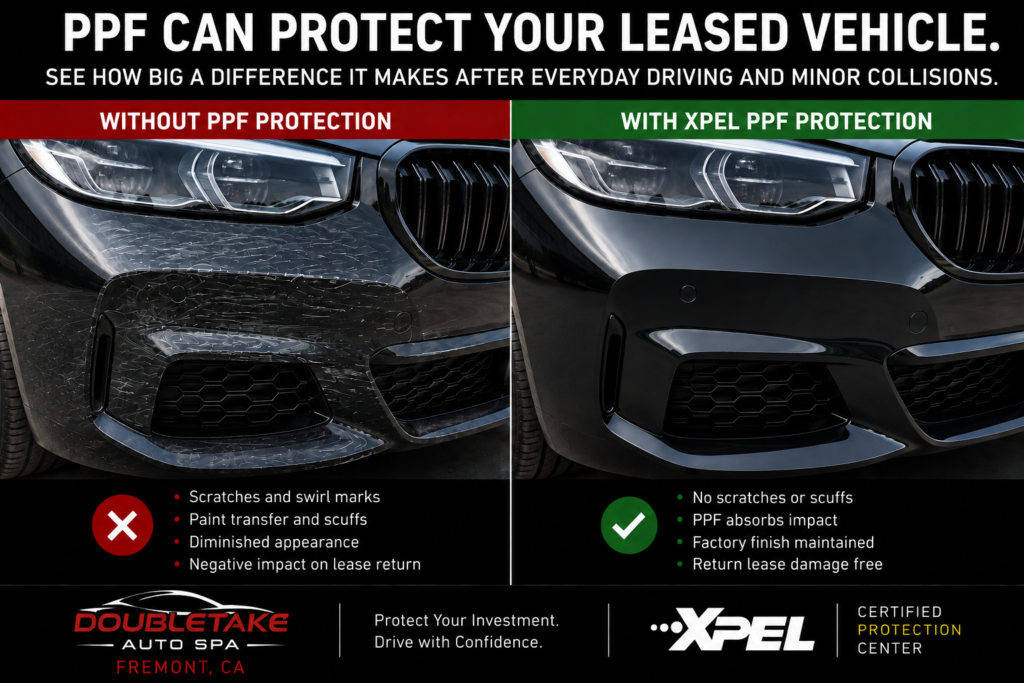
It is a fair question. Paint Protection Film is often associated with protecting vehicles that owners plan to keep for many years. However, leased vehicles are exposed to the same rock chips, scratches, road debris, and everyday damage as vehicles that are purchased.
If you lease a new BMW, Mercedes-Benz, Porsche, Tesla, Lexus, Audi, or another premium vehicle, Paint Protection Film may still make sense. The key is choosing the right amount of protection for how you drive and what you plan to do when the lease ends.
At DoubleTake Auto Spa in Fremont, we install XPEL ULTIMATE PLUS Paint Protection Film (PPF) on both purchased and leased vehicles. For many lease customers, protecting the highest-risk areas provides a practical balance between cost and protection.
Why Would You Put PPF on a Car You Don’t Own?
A leased vehicle may technically belong to the leasing company, but you are responsible for caring for it during the lease. For two or three years, that vehicle will experience freeway driving, parking lots, road debris, bugs, shopping carts, and everyday wear.
Normal wear is expected when a vehicle is returned. However, damage beyond what the leasing company considers acceptable may become your responsibility. Lease standards vary, so owners should always review the specific terms of their agreement.
PPF can help reduce the chances of avoidable paint damage during the time you have the vehicle. It can also make driving more enjoyable. Instead of worrying about every rock on the freeway, you have a sacrificial protective layer between the road and the factory paint.
There is another reason some customers protect leased vehicles. They may decide to buy the vehicle at the end of the lease. In that situation, protecting the paint from day one means the car you eventually purchase may have a much better-preserved factory finish.
What Kind of Damage Can Happen During a Three-Year Lease?
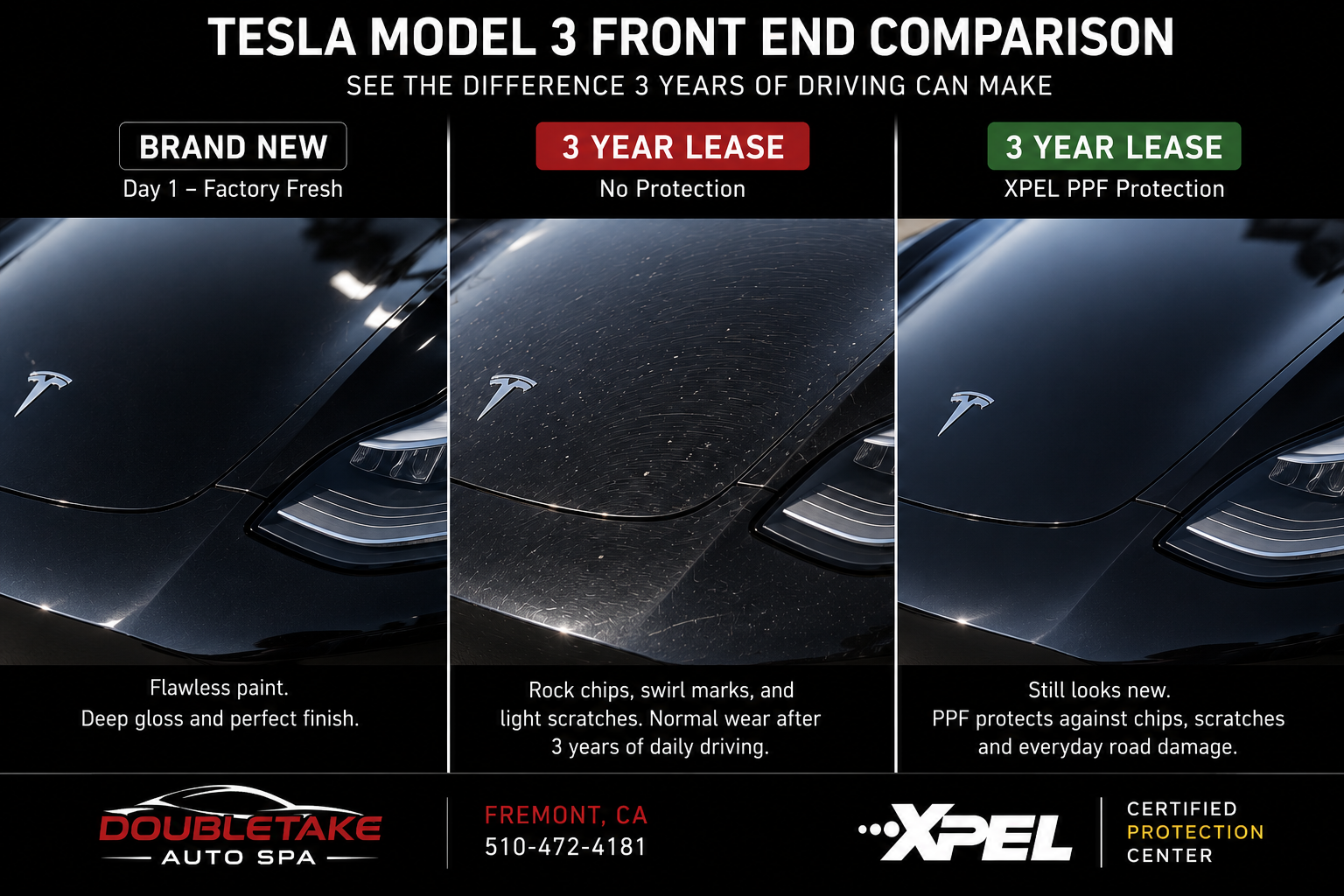
Three years may not sound like a long time, but a lot can happen to a vehicle’s paint during that period.
The front bumper, hood, and front fenders constantly face rocks and road debris. Mirrors can collect chips and bug residue. Lower body panels are exposed to debris thrown from the tires. Door cups can develop scratches from fingernails, rings, and keys.
California freeway driving can be particularly tough on the front of a vehicle. One small rock can leave a permanent chip in otherwise perfect factory paint.
PPF creates a physical barrier over these vulnerable surfaces. XPEL ULTIMATE PLUS is designed to help protect against rock chips, road debris, scratches, scuffs, bug acids, and other everyday hazards.
Its self-healing top coat can also help fine scratches and swirl marks in the film disappear with heat. This helps the protected areas maintain a cleaner appearance throughout the lease.
Is Full Frontal PPF the Best Choice for a Leased Car?
For many leased vehicles, Full Frontal PPF can provide an excellent balance between protection and cost.
A Full Frontal package focuses protection on the areas that receive the greatest amount of road impact. This typically includes the full hood, front bumper, and full front fenders. Additional high-impact areas can also be protected depending on the vehicle.
This approach makes sense for someone who commutes regularly, spends significant time on Bay Area freeways, or simply wants to keep a new vehicle looking new during the lease.
It can be particularly worthwhile on vehicles with low front ends or aggressive body designs. Performance cars and luxury vehicles often have large painted front bumpers and body panels that are directly exposed to road debris.
Instead of protecting every painted panel, Full Frontal PPF concentrates your investment where damage is most likely to happen.
Does Full Body PPF Make Sense on a Leased Vehicle?
For some customers, yes. For others, it may be more protection than they need.
Full Body PPF protects all painted exterior panels, not just the high-impact areas at the front. This provides protection against road debris, scratches, scuffs, environmental contamination, and many types of everyday wear around the entire vehicle.
Full Body PPF may make sense if you are leasing a high-value vehicle and want to keep it in exceptional condition. It can also be attractive if you expect to purchase the vehicle when the lease ends.
Some customers simply want the peace of mind that comes with protecting the entire vehicle. If you are leasing a Porsche, BMW M car, Mercedes-AMG, Corvette, or another premium performance vehicle, you may want to enjoy it without constantly worrying about the paint.
However, we do not believe every leased vehicle automatically needs Full Body PPF. If your primary concern is freeway rock chips, a Full Frontal package may provide the protection you need at a lower investment.
Can PPF Help With Lease-End Condition?
PPF can help preserve the factory paint underneath the protected areas. That can be valuable when it is time to return, trade, sell, or purchase the vehicle.
During a lease, the film acts as a sacrificial barrier. Road debris, bugs, light scratches, and everyday contamination encounter the PPF instead of directly contacting the factory paint.
When properly maintained, quality PPF can help keep the protected paint looking much closer to the way it looked when the vehicle was new.
However, PPF should never be viewed as a guarantee against lease-end charges. Leasing companies have their own standards for acceptable wear and damage. PPF also cannot prevent every type of accident or damage.
Its purpose is simple: reduce the opportunity for everyday driving to damage the factory paint underneath.
When Does PPF NOT Make Sense on a Leased Car?
PPF may not be the right investment for every leased vehicle. If you drive very few miles, rarely use the freeway, and know you will return the vehicle, extensive PPF coverage may not provide enough value.
Before installing PPF, review your lease agreement to confirm that Paint Protection Film is allowed. You should also find out whether the vehicle can be returned with the PPF installed or if the film must be removed before the lease ends.
Your driving habits also matter. Someone driving 5,000 miles per year around town has different protection needs than someone commuting daily on Bay Area freeways.
The goal is to choose the right level of protection for your vehicle and lease. Sometimes Full Body PPF makes sense, while Full Frontal may be the smarter investment for others.
This is why we prefer to discuss how the vehicle will actually be used before recommending coverage. Sometimes Full Body PPF makes sense. Sometimes Full Frontal is the smarter investment.
And sometimes a customer may decide that PPF simply is not necessary for their particular lease.
Why Does the Quality of the PPF Installation Matter?
Whether a vehicle is leased or purchased, the quality of the installation matters just as much as the film itself.
A premium PPF installation should complement the vehicle rather than distract from it. Proper alignment, clean installation rooms, careful preparation, and wrapped edges where possible all contribute to a cleaner finished appearance.
At DoubleTake Auto Spa, we use XPEL ULTIMATE PLUS Paint Protection Film, backed by a 10-year manufacturer warranty. We focus on clean installations and meticulous attention to detail.
We also believe in quality over speed. PPF is a long-term protective product, so proper preparation and installation should never be rushed.
Whether you are protecting a leased daily driver or a vehicle you plan to own for the next decade, you should be confident in both the product and the people installing it.
Should You Protect Your Leased Vehicle With PPF?
The answer depends on the vehicle, your driving habits, and how much you value keeping the factory paint in excellent condition.
For many Bay Area drivers, Full Frontal XPEL PPF provides an excellent balance of cost and protection. It protects the areas most likely to encounter rock chips and road debris without requiring the investment of Full Body PPF.
For customers leasing high-value or performance vehicles, Full Body PPF may provide additional peace of mind. It can be especially appealing if there is a possibility you will purchase the vehicle at the end of the lease.
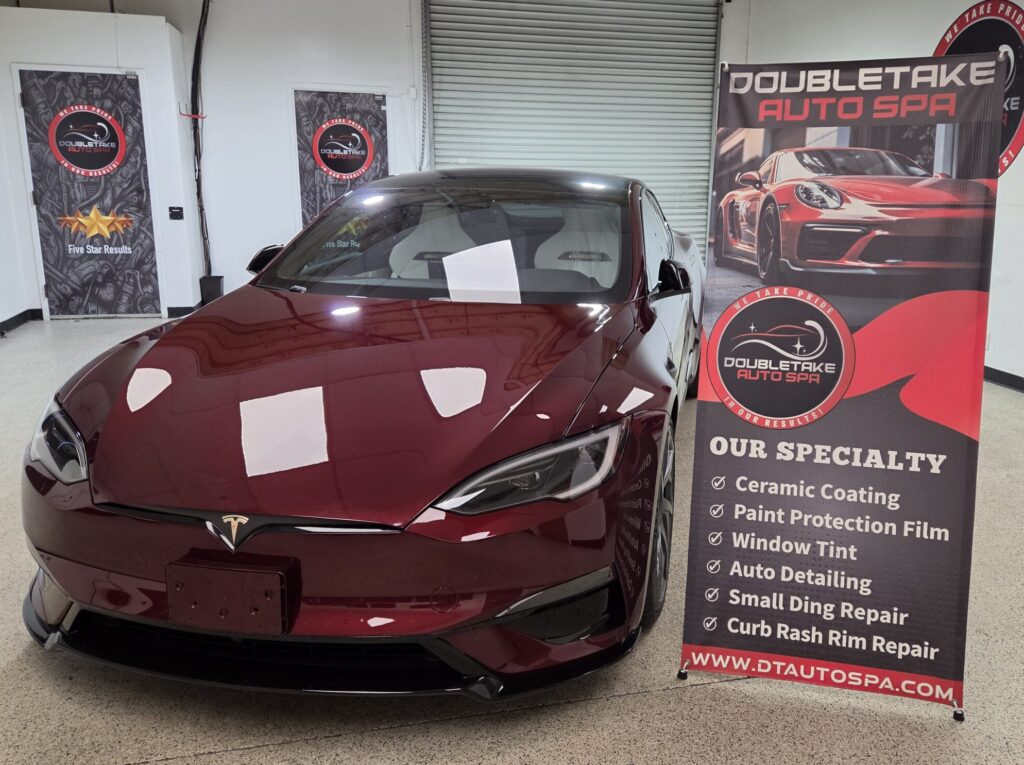
At DoubleTake Auto Spa in Fremont, we have been a Certified XPEL Protection Center for over 10 years. Our experienced installers can look at your vehicle and discuss how you drive. From there, we can help you determine whether Full Frontal, Full Body, or another level of protection makes the most sense.
DoubleTake Auto Spa
43122 Christy Street, Fremont, CA
Call or Text: 510-472-4181
Contact us today to learn more about XPEL Paint Protection Film for leased vehicles in Fremont and the San Francisco Bay Area.
Frequently Asked Questions About PPF on Leased Cars
1. Is Paint Protection Film worth it on a leased car?
It can be. PPF may be worthwhile if you drive frequently, spend time on freeways, lease a premium vehicle, or want to reduce paint damage during the lease. The right amount of coverage depends on your vehicle and driving habits.
2. Can PPF help prevent lease-end damage charges?
PPF can help protect covered paint from rock chips, scratches, road debris, and everyday wear. However, it cannot guarantee that you will avoid lease-end charges. Every leasing company has its own standards for acceptable vehicle condition.
3. Should I get Full Frontal or Full Body PPF on a leased vehicle?
For many leased vehicles, Full Frontal PPF is a practical choice because it focuses protection on the areas most exposed to road debris. Full Body PPF may make sense for high-value vehicles, customers who want maximum protection, or drivers who may purchase the vehicle after the lease.
4. Can XPEL PPF be removed before returning a leased car?
Yes. High-quality PPF is designed to be removable when properly installed and professionally removed. If removal is necessary before returning the vehicle, we recommend having it performed by an experienced PPF professional. Removal is an additional cost.
5. When should I install PPF on a new leased car?
The best time is as soon as possible after taking delivery. Every mile driven without PPF creates an opportunity for a rock chip or scratch to occur. Installing protection while the paint is still new helps preserve the original factory finish from the beginning.