Many vehicle owners shopping for window tint quickly discover a confusing reality: nearly every shop claims to offer “ceramic tint.”
At first glance, one ceramic window tint may look identical to another. Both can appear dark, both may claim UV protection, and both may carry a lifetime warranty. However, when it comes to heat rejection, optical clarity, longevity, and overall performance, not all ceramic films are created equal.
At DoubleTake Auto Spa in Fremont, we frequently meet customers who received quotes hundreds of dollars less than ours and wonder why there is such a large price difference. The answer often comes down to two things: the quality of the film itself, and the experience of the technicians installing the film.
Let’s explore the truth about cheap ceramic window tint versus premium nano-ceramic technology like XPEL PRIME XR and XR Plus.
Why Does “Ceramic Tint” Not Mean Premium?
The term “ceramic tint” has become one of the most overused marketing terms in the automotive industry.
Today, many entry-level films contain a small amount of ceramic material which they are marketing as ceramic tint. While technically true, these films often lack the advanced nano-ceramic construction used in premium products.
The result is a film that may provide privacy and glare reduction but delivers significantly less heat rejection than premium nano-ceramic alternatives. Just because a window tint is labeled ceramic does not automatically make it high-performance.
What is the Biggest Difference in XPEL Window Tint?
Most drivers choose ceramic tint because they want a cooler vehicle. This is where the differences become obvious: heat rejection.
Cheap ceramic films often focus on darkness rather than true solar energy rejection. While they may make the windows appear dark, darkness alone does not determine how much heat enters the vehicle.
Industry experts recommend looking at Total Solar Energy Rejection (TSER) and Infrared Rejection (IR) rather than simply the shade percentage. A film can be very dark while still allowing substantial heat to pass through the glass.
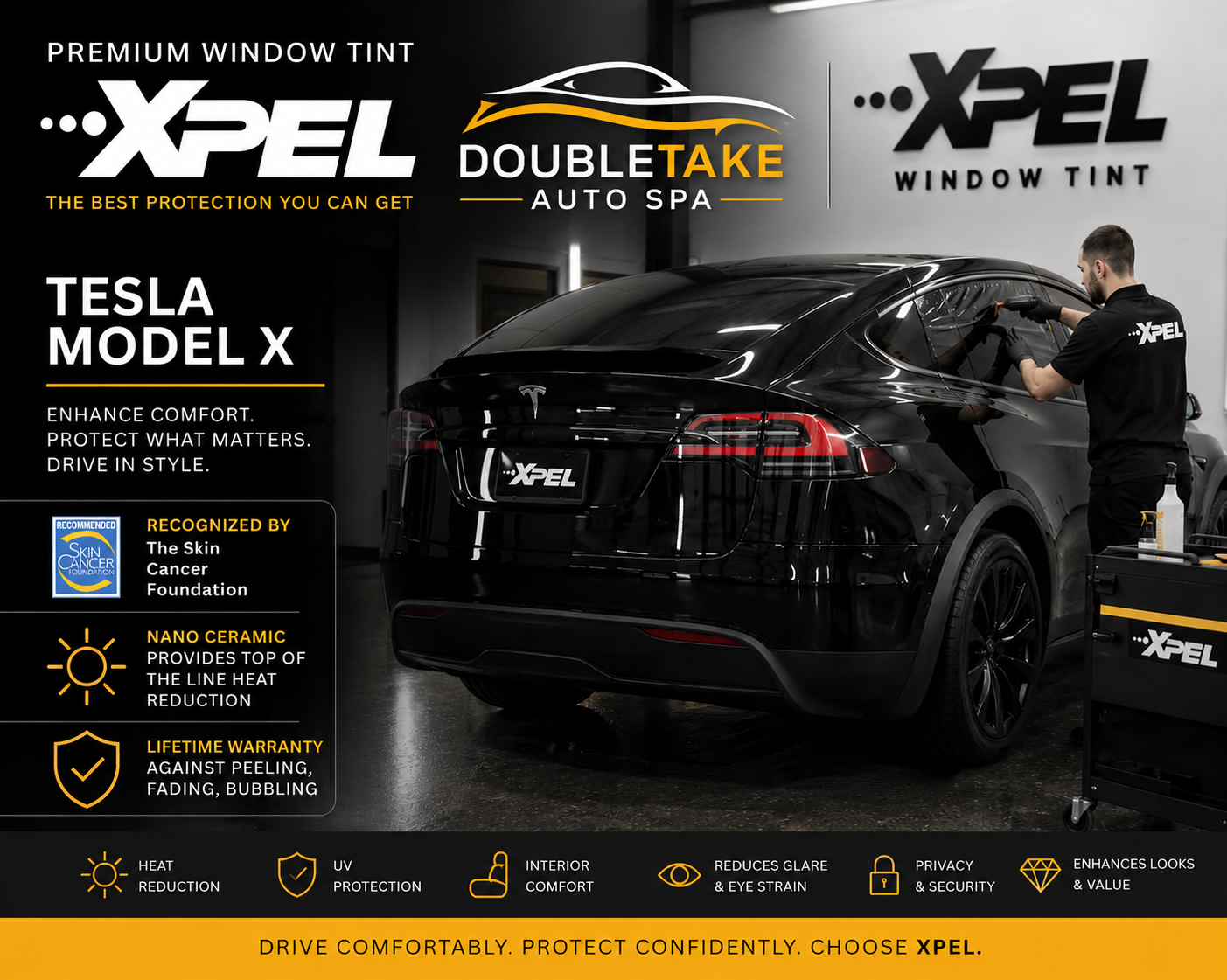
Premium nano-ceramic films such as XPEL PRIME XR Plus utilize multi-layer nano-ceramic particle technology designed specifically to reject infrared heat, the portion of sunlight largely responsible for making vehicle interiors uncomfortable. XPEL reports infrared heat rejection up to 98% depending on film selection.
The difference becomes noticeable during summer months when one vehicle feels significantly cooler even though both cars may have the same shade percentage.
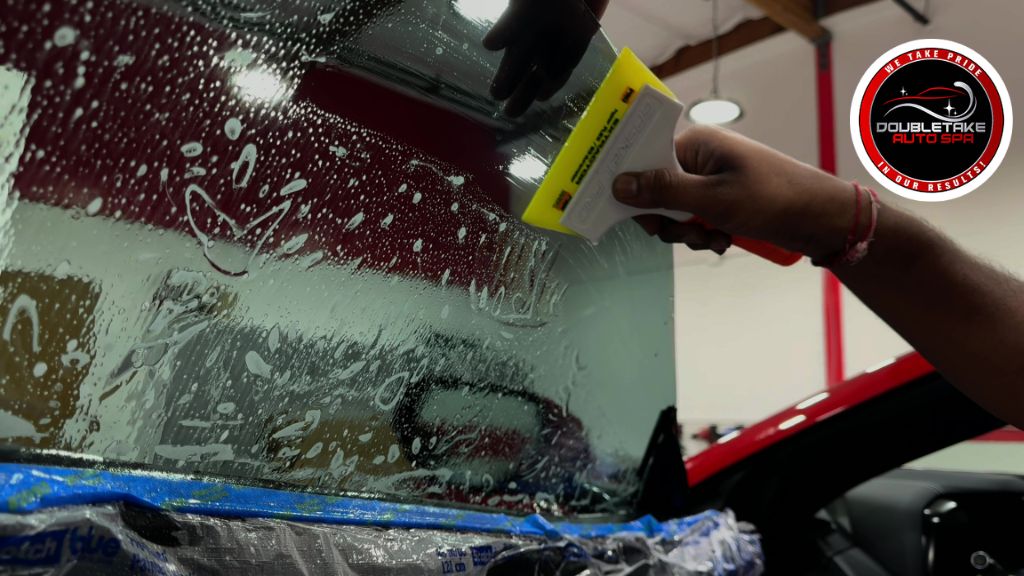
What Window Tint was Recognized by The Skin Cancer Foundation?
Many people believe window tint is primarily for appearance. In reality, one of its best functions is UV protection. Most importantly, The Skin Cancer Foundation recognizes XPEL window films for their effectiveness in helping protect against harmful UV exposure. This recognition is not marketing language; it comes directly from one of the most respected organizations dedicated to skin cancer prevention and education.
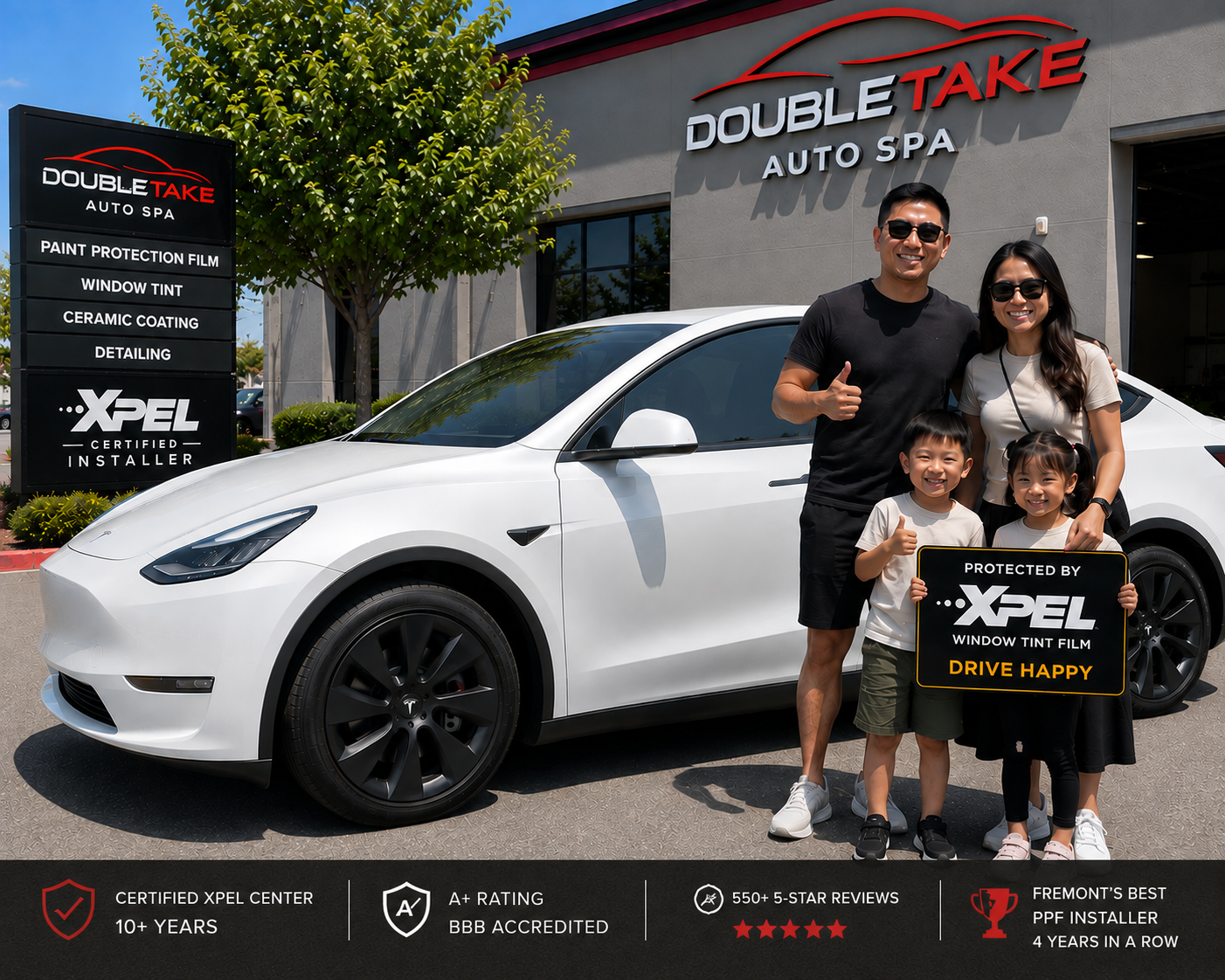
At DoubleTake Auto Spa, we believe claims should be backed by facts. Independent laboratory testing, industry certifications, and real-world results consistently demonstrate XPEL’s performance. That’s why we chose to become an XPEL Certified Center and why we continue to recommend it to Tesla owners looking for the highest level of protection and comfort.
Extended exposure to ultraviolet radiation contributes to:
- Premature skin aging
- Interior fading and cracking
- Increased skin cancer risk
- Damage to leather, plastics, and trim
XPEL PRIME window films block over 99% of harmful UVA and UVB rays.
Why does Clarity, Longevity, and Color Stability Matter More for Tint?
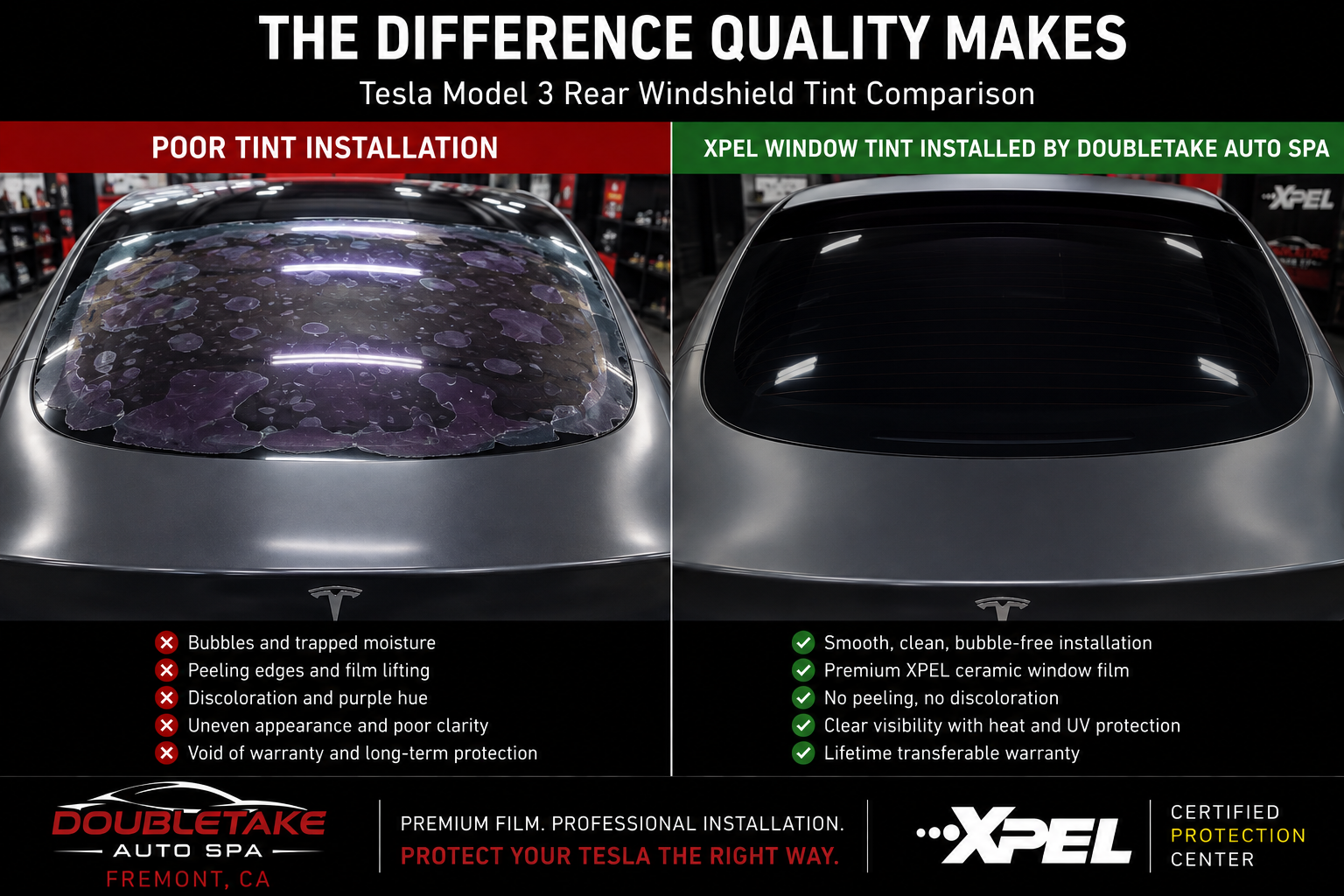
A common complaint with lower-quality films is haze. Drivers may notice reduced nighttime visibility, increased glare from headlights, cloudy appearance when looking through the glass, or distortion around streetlights and traffic signals.
Manufacturers engineer premium nano-ceramic films to deliver superior optical clarity while maintaining strong heat rejection. XPEL specifically highlights the ability of its multi-layer nano-ceramic construction to provide high performance without compromising visibility.
Lower-grade films can experience:
- Fading
- Purple discoloration
- Adhesive failure
- Bubbling
- Reduced heat rejection over time
This becomes especially important on windshields, front windows, and vehicles frequently driven at night. Manufacturers design higher-quality ceramic films to deliver long-term color stability and durability. Carbon and premium ceramic technologies generally outperform entry-level dyed films in resisting deterioration and fading.
When considering the cost of removal and replacement, the cheaper option often becomes more expensive in the long run.
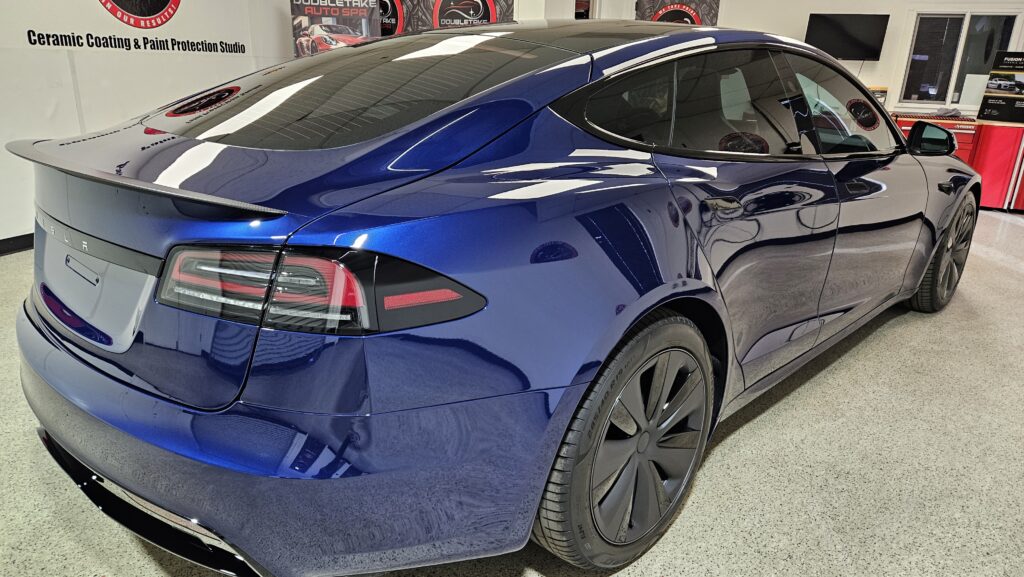
What is the Technology Behind XPEL Nano Ceramic Window Tint?
XPEL builds PRIME XR and PRIME XR Plus using advanced nano-ceramic particle technology.
Unlike traditional dyed films, manufacturers engineer nano-ceramic films to target infrared heat while maintaining excellent visibility and signal clarity. Because the film is non-metallic, it will not interfere with GPS, Bluetooth, Satellite radio, Cell phone reception, or Tesla connectivity systems.
Premium nano-ceramic construction also allows drivers to choose lighter shades while still achieving significant heat rejection, something that was difficult with older generations of window film.
What is the Real Cost of Cheap Window Tint?
When comparing quotes, it is important to ask:
- What film brand is being installed?
- Is it truly nano-ceramic technology?
- What are the TSER and IR rejection ratings?
- Is the film independently tested?
- Is the manufacturer recognized by organizations such as The Skin Cancer Foundation?
- How long has the shop been installing that specific product?
The cheapest quote rarely provides the best value.
Window tint is something you see and experience every single day. Every commute, every road trip, every sunny afternoon, and every hot summer parking lot reminds you of the decision you made.
Final Thoughts
The difference between cheap ceramic window tint and premium XPEL Nano Ceramic Window Tint goes far beyond appearance.
While lower-cost films may offer privacy and basic glare reduction, premium nano-ceramic technology delivers superior heat rejection, exceptional UV protection, better optical clarity, longer durability, and a more comfortable driving experience.
For drivers who plan to keep their vehicle for years, especially in sunny climates like California, premium nano-ceramic window tint is often one of the smartest upgrades they can make.
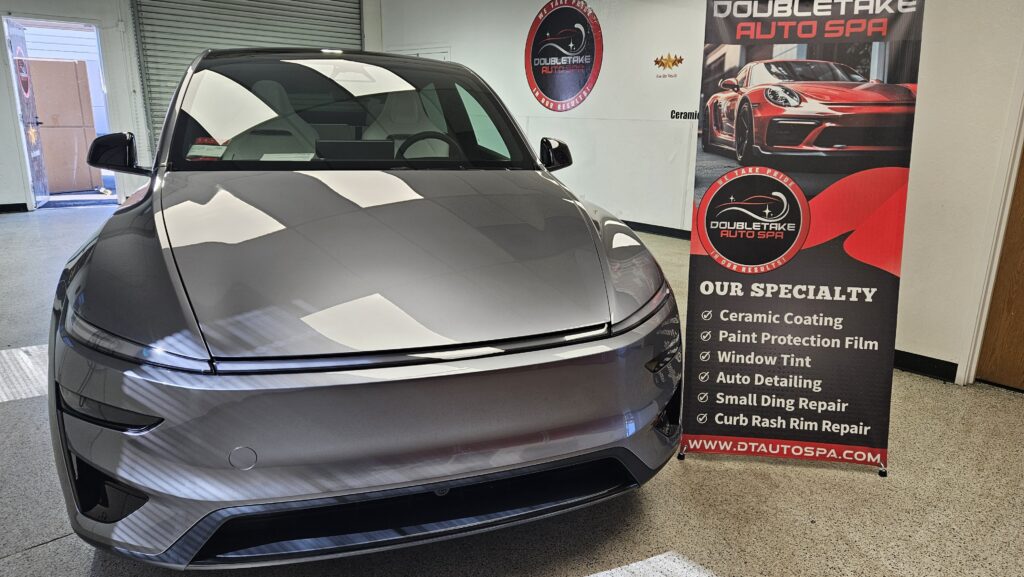
At DoubleTake Auto Spa, we are XPEL Certified and proudly install XPEL PRIME XR and PRIME XR Plus because we believe customers deserve more than a darker window. They deserve real performance, real protection, and results they can feel every time they get behind the wheel.
Schedule Your XPEL Window Tint Installation Today
43122 Christy St, Fremont, CA 94538 | 510-472-4181
Contact us to secure your appointment today.
Frequently Asked Questions
1: Is all ceramic window tint the same?
While many films are marketed as “ceramic tint,” the quality and performance can vary dramatically. Entry-level ceramic films may contain only a small amount of ceramic material and often provide lower heat rejection. Premium nano-ceramic films like XPEL PRIME XR and XR Plus use advanced multi-layer nano-ceramic technology designed to deliver significantly better heat rejection, UV protection, optical clarity, and long-term durability.
2: Why is premium ceramic window tint more expensive?
The price difference typically comes down to two factors: film quality and installation quality. Premium films offer higher infrared heat rejection, better optical clarity, superior color stability, and longer-lasting performance. In addition, experienced installers help ensure clean edges, proper fitment, and a professional finish that can last for years without bubbling, peeling, or distortion.
3: Does darker window tint block more heat?
Not necessarily. Many people assume darker tint automatically means better heat rejection, but that’s not always true. Heat-blocking performance is determined by factors such as Total Solar Energy Rejection (TSER) and Infrared Rejection (IR), not simply darkness. Premium nano-ceramic films can reject significant amounts of heat even in lighter shades, helping keep the vehicle cooler while maintaining excellent visibility.
4: What makes XPEL window tint different from cheaper ceramic films?
XPEL PRIME XR and XR Plus use advanced nano-ceramic technology that can reject up to 98% of infrared heat (depending on film selection), block over 99% of harmful UV rays, and maintain exceptional optical clarity. XPEL window films are also recognized by The Skin Cancer Foundation for helping protect against harmful UV exposure, making them a popular choice for drivers seeking maximum comfort, protection, and long-term performance.